How to Publish in Q1 ISI Journals
Publishing in Q1 ISI journals represents the highest level of academic achievement for many researchers. These journals sit in the top 25% of their fields, attract global readership, and significantly enhance academic reputation, promotion prospects, and funding opportunities.
However, Q1 journals are also extremely competitive. High rejection rates, strict editorial screening, and demanding peer review processes make Q1 publication challenging—even for experienced researchers.
In this comprehensive guide, TadbirSaz explains how to publish in Q1 ISI journals realistically, ethically, and strategically, based on years of professional experience in academic writing, editing, and journal submission support.
What Makes Q1 Journals Highly Competitive
Q1 ISI journals are not simply “better journals”; they are elite publication platforms with very specific expectations.
Key Characteristics of Q1 Journals
- Top-ranked in Journal Citation Reports (JCR)
- High Impact Factor relative to their field
- International editorial boards
- Strict desk-review screening
- Very low acceptance rates (often below 10–15%)
Editors of Q1 journals receive hundreds or thousands of submissions per year, which means many papers are rejected before peer review.
Important Insight:
Most rejections in Q1 journals happen at the editorial screening stage, not during peer review.
Why Editors Reject Most Submissions Early
Editors quickly assess:
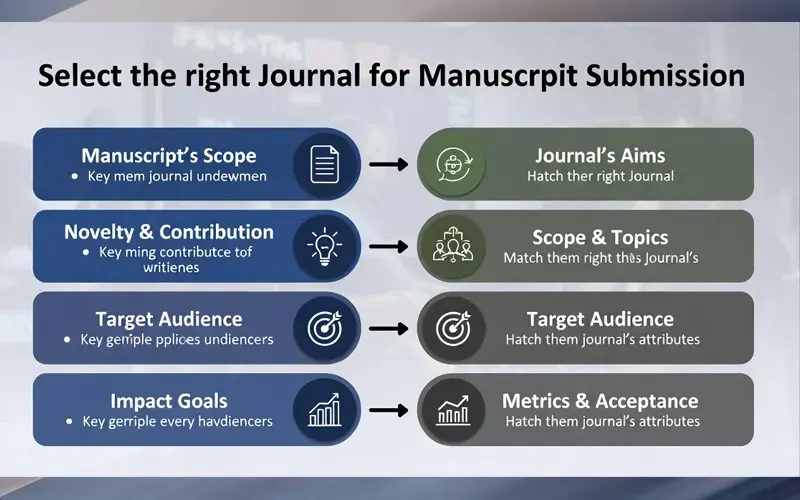
- Relevance to journal scope
- Novelty and contribution
- Methodological robustness
- Language and structure quality
If a manuscript fails in any of these areas, it is desk-rejected—sometimes within days.
Manuscript Quality Standards for Q1
Publishing in Q1 journals requires excellence across all components of the manuscript, not just good results.
1. Research Novelty and Contribution
Q1 journals prioritize:
- New theories, models, or frameworks
- Significant methodological advances
- High-impact empirical findings
Incremental or repetitive studies—even if technically correct—are rarely accepted.
2. Methodological Rigor
Editors and reviewers expect:
- Clear research questions or hypotheses
- Robust experimental or analytical design
- Appropriate statistical or qualitative methods
- Transparent data reporting
Weak methodology is the number one reason for Q1 rejection.
3. Academic English at Native Level
Q1 journals expect:
- Fluent, concise, and formal academic English
- Logical argument flow
- Field-specific terminology
Even strong research can be rejected due to language and presentation issues.
At TadbirSaz, all Q1-targeted manuscripts undergo advanced academic editing by subject-specialist editors.
4. Journal-Specific Formatting and Structure
Q1 journals are highly sensitive to:
- Manuscript structure
- Reference style
- Figure and table quality
- Ethical declarations
Failure to follow author guidelines signals lack of professionalism.
Choosing the Right Q1 Journal
Choosing the wrong Q1 journal is one of the most costly mistakes researchers make.
Factors to Consider Beyond Impact Factor
- Exact scope and thematic focus
- Article types accepted
- Review and publication timelines
- Open access vs subscription
- APC (Article Processing Charge)
📌 Expert Tip:
Never select a Q1 journal based solely on impact factor. Scope mismatch almost guarantees rejection.
Category-Specific Quartiles Matter
A journal may be:
- Q1 in one subject category
- Q2 or Q3 in another
Always evaluate quartile within the relevant field.
TadbirSaz Journal Selection Strategy
Our Q1 targeting process includes:
- Scientific content assessment
- Novelty scoring
- Journal shortlisting (3–5 options)
- Acceptance probability estimation
- Timeline and budget analysis
This significantly reduces trial-and-error submissions.
Typical Rejection Reasons in Q1 Journals
Understanding rejection reasons helps prevent them.
Most Common Q1 Rejection Causes
- Insufficient novelty
- Weak theoretical grounding
- Methodological flaws
- Poor academic English
- Inappropriate journal selection
- Overstated conclusions
- Inadequate response to reviewers
📌 Many authors misinterpret rejection as failure, while it is often a strategy mismatch.
When to Target Q2 Instead
Targeting Q1 is not always the smartest decision.
Situations Where Q2 Is a Better Choice
- Time-sensitive graduation requirements
- Applied or regional studies
- Limited sample size
- Budget constraints
- First ISI publication
A strong Q2 paper often provides:
- Faster acceptance
- Lower publication costs
- Comparable academic recognition
At TadbirSaz, we never push Q1 blindly. Strategic Q2 publication is often the wiser path.
Improving Acceptance Probability
Although Q1 journals do not offer guarantees, acceptance probability can be significantly improved.
Proven Strategies Used by TadbirSaz
1. Pre-Submission Scientific Review
Identifying weaknesses before submission saves months.
2. Advanced Language and Structural Editing
Not basic proofreading—full academic refinement.
3. Targeted Cover Letter
Editors value concise, journal-specific cover letters explaining:
- Contribution
- Fit with journal scope
- Significance of findings
4. Ethical Citation and Literature Positioning
Demonstrating awareness of recent Q1 publications in the same journal increases credibility.
Responding to Reviewers: A Critical Stage
Many Q1 papers fail after peer review due to weak responses.
Effective Reviewer Response Includes:
- Polite and professional tone
- Point-by-point responses
- Clear indication of revisions
- Justified disagreements when necessary
TadbirSaz provides full reviewer-response support, a decisive factor in Q1 success.
Is Guaranteed Q1 Publication Possible?
Ethically speaking, no one can guarantee Q1 acceptance.
However, TadbirSaz offers:
- Managed submission pathways
- Multiple-journal strategies
- Revision and resubmission support
- Transparent risk assessment
This approach maximizes success while respecting academic ethics.
Timeline Expectations for Q1 Publication
Typical Q1 timelines:
- Editorial screening: 1–3 weeks
- Peer review: 2–5 months
- Revisions: 1–3 months
- Final decision: 6–12 months total
Understanding timelines helps manage expectations realistically.
Frequently Asked Questions (FAQ)
Is Q1 publication necessary for academic promotion?
Depends on institutional policy, but Q1 is often preferred.
Can a PhD student publish in Q1 journals?
Yes, with strong supervision and professional support.
Is open-access Q1 easier?
Not easier, but sometimes faster.
Does resubmission to another Q1 journal reduce chances?
Not if revisions are properly addressed.
Final Thoughts: Publish Smart, Not Just Ambitious
Publishing in Q1 ISI journals is achievable—but only with strategy, realism, and professional preparation. Blind submissions lead to rejection, frustration, and wasted time.
At TadbirSaz, we help researchers make data-driven publication decisions, improve manuscript quality, and navigate the complex Q1 submission process ethically and efficiently.
Request a free Q1 readiness assessment today and take the next confident step toward top-tier publication.